1. The ceiling, and what hangs from it
Start with a tape measure from the floor to the lowest thing overhead. In a garage that is rarely the ceiling itself. It is the door track, the opener rail, a light fixture or a beam. Measure under each of them, because the rack only has to clash with one.
Building codes give a floor for ceiling height in living space, and many garages converted to a gym sit close to it. The International Residential Code, which most US states adopt in some form, sets that floor at 7 feet:
Habitable space, hallways and portions of basements containing these spaces shall have a ceiling height of not less than 7 feet (2134 mm).
International Code Council, 2021 International Residential Code, Section R305 Ceiling Height, read 26 September 2026
Unfinished basements can be lower. The same code allows 6 feet 8 inches there, and less under beams and ducts:
Portions of basements that do not contain habitable space or hallways shall have a ceiling height of not less than 6 feet 8 inches (2032 mm).
International Code Council, 2021 International Residential Code, Section R305.1.1 Basements, read 26 September 2026
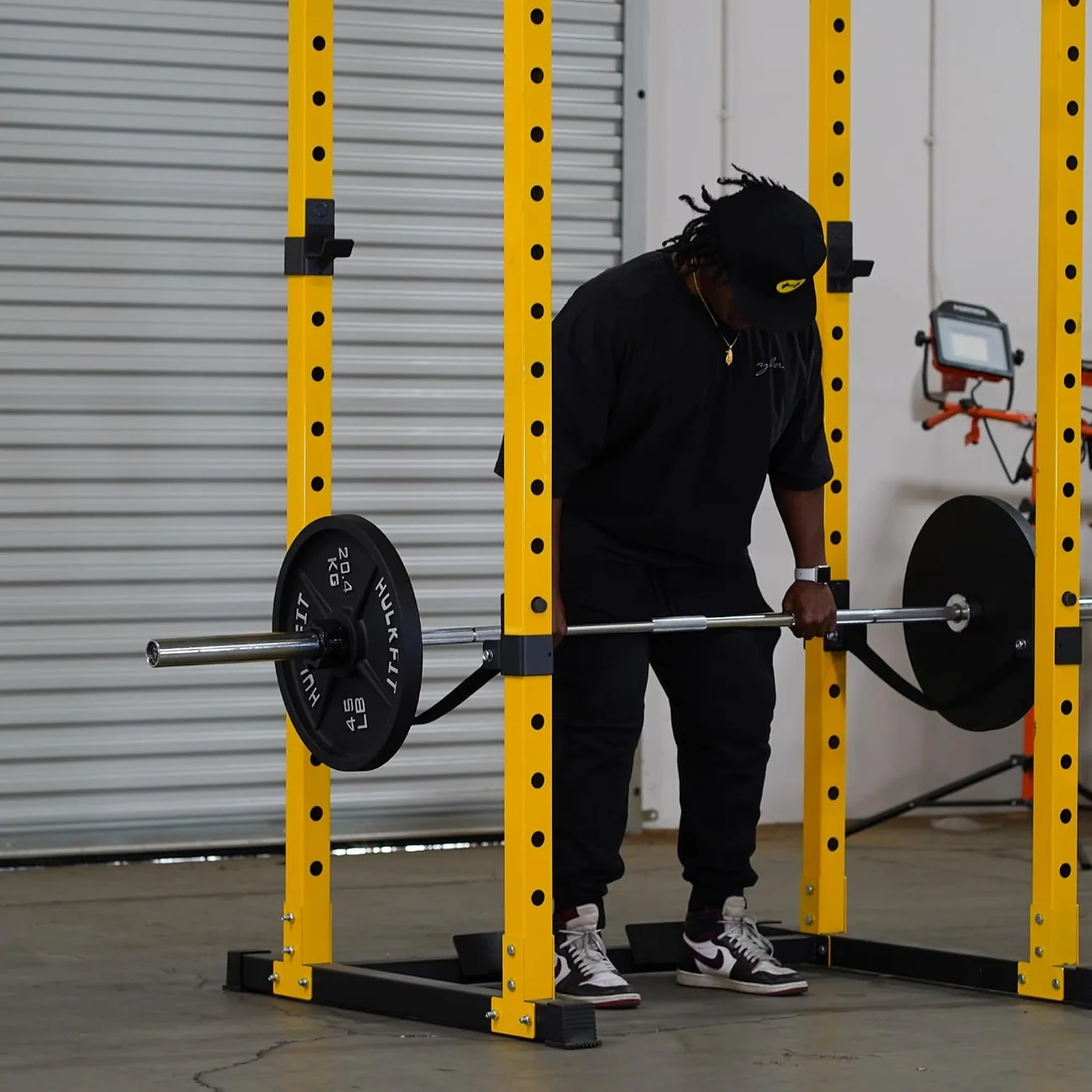
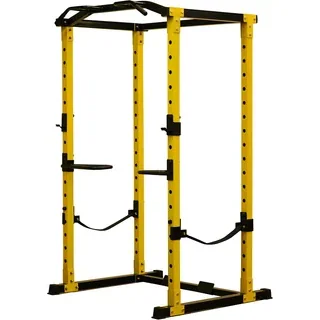
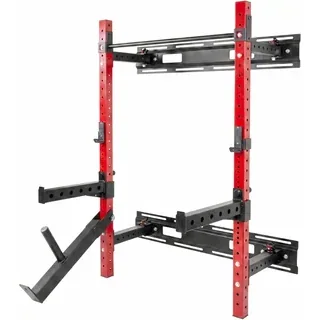
Those numbers are minimums for rooms, not promises about your garage. Measure your own. Then compare them with the heights we know: the Pro Series cage stands about 85 inches tall, the Pro Series folding wall rack about 86 inches, and the Pro Series squat stand about 81 inches. A 7 foot ceiling is 84 inches, so a full cage will not stand up straight under it.
2. Headroom for the pull-up
A rack that fits can still be too low to use. You need room for your head above the pull-up bar, and room for the bar itself when you press overhead inside the rack. Stand where the rack will go, reach up, and add the length of your forearm. If that number is higher than the ceiling, plan to press outside the rack or skip the pull-up bar.
Folding wall racks have one advantage here: you can choose the height of the pull-up bar when you drill the brackets. Cages come with the bar fixed at the top of the frame.
3. Width, and the bar that goes in it
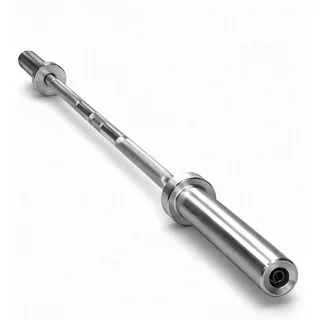
A 7 ft Olympic bar is about 86 inches long. Leave space for loading plates on both ends, which means about a foot of clear floor either side of the bar sleeves. A narrow bay beside a parked car may take the rack but not a loaded bar.
If the space is tight, a 6 ft bar gives you back about a foot, but its sleeves are shorter and take fewer plates. The 6 ft Olympic bar in our catalog starts at $66.59.

4. The floor under it
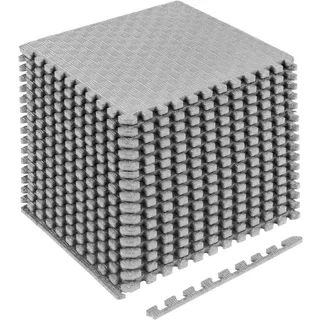
Concrete takes a rack well, but it does not forgive a dropped bar, and it is hard on plates. Foam tiles protect the floor and your knees for floor work, and they are fine under a bench and dumbbells. Under a spot where you pull deadlifts, go thicker or add rubber. Our half-inch tiles start at $19.89 and the one-inch tiles at $35.99.
Foam also compresses under rack feet over months. A plywood square under each foot spreads the load and keeps the rack level.
5. The wall, if you want a folding rack
A folding rack hangs on stringer brackets bolted to the wall. That needs studs or masonry you can anchor into, and permission if you rent. In return you get the car back in the garage: the uprights swing flat against the wall when you are done.
If drilling is not possible, look at a free-standing cage with plate holders on the base. Loaded holders add weight low down and keep the frame planted without bolts.
The short version
The table lists our racks with a current price, the upright size and the rated load, so you can shortlist by the numbers before you think about attachments.
| Rack | Uprights | Rated load | From |
|---|---|---|---|
| Pro Series Power Cage | 2.35 x 2.35 in | not stated | $347.15 |
| Power Rack with Lat Pulldown | not stated | 1,800 lb | $349.99 |
| 1000 lb Adjustable Power Cage | not stated | 1,000 lb | $418.45 |
| 800 lb Power Cage Squat Rack | 2 x 2 in | 800 lb | $212.49 |
| Wall-Mount Folding Power Cage | 2 x 2 or 3 x 3 in | not stated | $135.99 |
Sources
- International Code Council: 2021 International Residential Code, Section R305 Ceiling Height. Read 26 September 2026.
- International Code Council: 2021 International Residential Code, Section R305.1.1 Basements. Read 26 September 2026.